

Lately, the domain of coffee has transformed into a intricate and fascinating landscape, enticing connoisseurs and casual drinkers alike. The term specialty coffee has become prominent as a symbol for those seeking excellence and unique flavor experiences. With its origins grounded in meticulous cultivation and attentive processing, these coffees offer a sensory journey that stretches beyond your standard cup. For those seeking to immerse themselves in this vast universe, understanding the subtle flavor profiles is important.
As you investigate the world of premium coffee, you will come across a multitude of choices, from unprocessed beans to finely ground beans. The distinction in flavor can often be linked to the variety of bean, the roast process, and although you might use crushed coffee or fresh grounded coffee. For instance, arabica beans are famed for their sugary, fruit-like, and floral notes, while robusta coffee offers a more robust and sharp profile. Being aware of how to pick and brew your coffee, whether you prefer a vibrant espresso or a subtle pour-over, can enhance your coffee experience to new heights.
Understanding Artisanal Coffee
Gourmet coffee is defined by its exceptional quality and individual flavor characteristics that stem from optimal growing conditions, careful harvesting, and precise processing. These coffee beans are often obtained from specific regions renowned for their characteristic characteristics, such as elevation, climate, and soil composition. Elements like the variety of the coffee plant and the diligent attention given to growing also play a crucial role in defining artisanal coffees. This devotion to excellence allows coffee lovers to savor a wide range of flavors, from berry-like and fragrant to nutty and chocolaty.
When delving into artisanal coffee, it is essential to recognize the importance of freshness. The optimal coffee beans for milling are those that have been recently roasted and ideally purchased in whole bean form. Whole coffee beans retain their natural oils and flavors longer than pre-ground options. Once ground, the exposure to air begins to diminish the beans' aromatic qualities, so newly milled coffee is preferred for achieving the deepest taste. Specialty roasted coffee emphasizes this attribute, as it is designed to preserve the individual traits of each bean.
Moreover, the brewing methods employed with specialty coffee can profoundly influence the final cup. For instance, espresso coffee grinds require a fine grind to retrieve the flavors and oils effectively. The best coffee grinds for espresso often come from high-quality arabica coffee grinds, renowned for their sugariness and depth. Obtaining 1kg coffee beans or 1kg ground coffee also allows enthusiasts to explore different brewing techniques while maintaining stability in flavor. Grasping the subtleties of artisanal coffee can elevate the coffee enjoyment experience to greater levels, making it a true delight for coffee lovers.
Delving into Savor Dimensions
Gourmet coffee offers a rich range of taste experiences that can enthrall the taste buds. Every type of coffee bean has its own characteristics affected by factors such as source, preparation technique, and roast level. For instance, Arabica coffee beans frequently present bright acidity and fruit flavors, while Coffea canephora beans are earthier with a powerful essence. Understanding these profiles is essential for those exploring into the world of gourmet coffee, as it enables for a more enjoyable tasting experience.
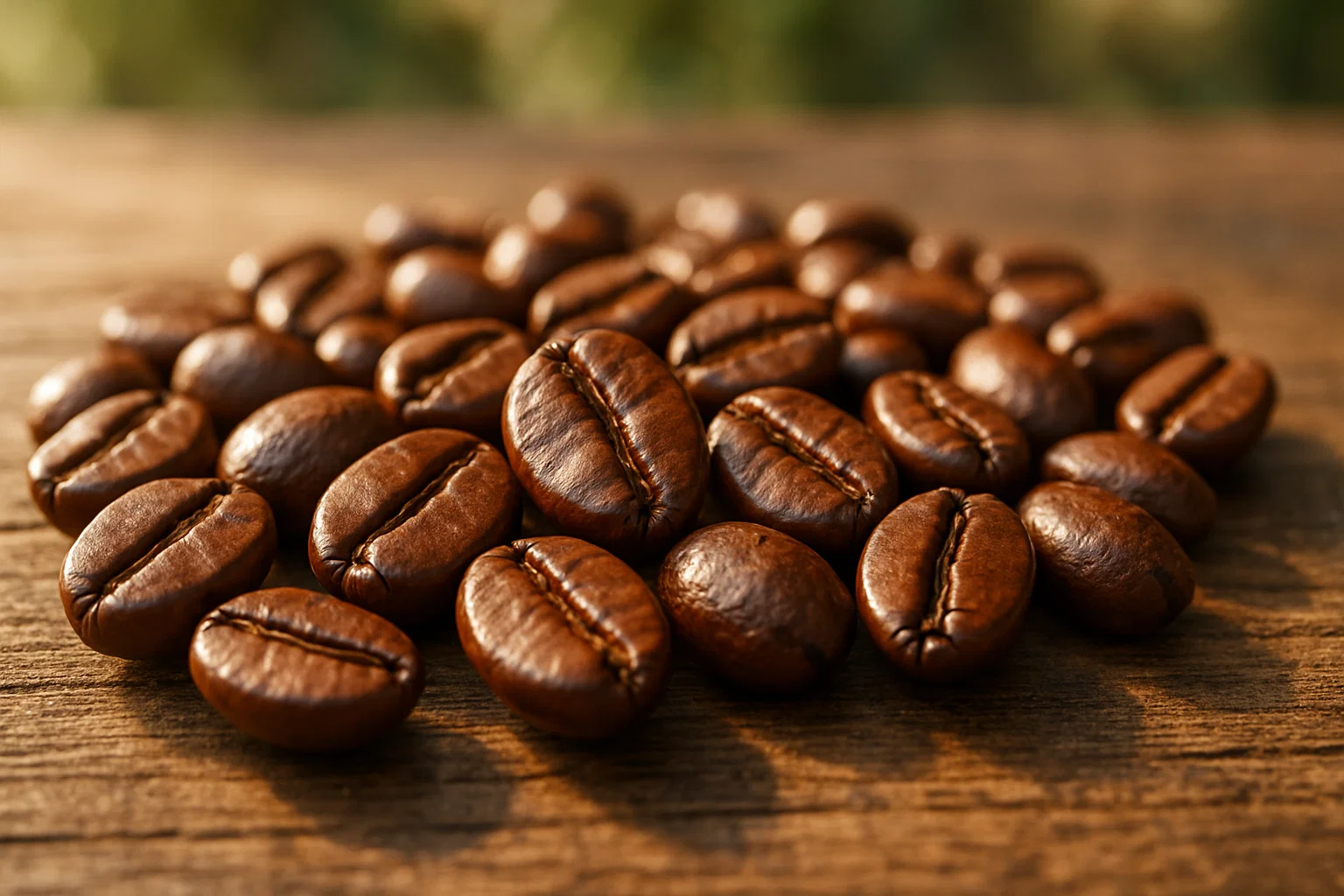
When sampling coffee, it's not only about the primary flavor but also the aftertaste, known as the aftertaste. Alternative brewing methods can showcase different aspects of the coffee’s characteristics. Espresso coffee, for example, extracts intense flavors that may uncover intricate flavors of cocoa, caramel, or hazelnut. On the flip side, drip brewing can yield a cleaner cup that highlights the coffee’s fruity and floral notes. Investigating here can lead to a greater appreciation for the craft of coffee making.
To truly experience the range of flavors that artisan coffee has to provide, one should try different forms such as whole coffee beans and pre-ground coffee. Freshly ground coffee enhances the fragrance and profile, making a significant difference in the complete tasting experience. No matter if using fine espresso grounds or coarse coffee grounds for press pot, all brewing style can disclose new dimensions of flavor, inviting coffee enthusiasts to uncover their personal preferences in the broad world of artisan brews.
Best Practices for Tasting
When you tasting gourmet coffee, it’s essential to begin with fresh whole coffee beans. Make sure that you choose the best whole bean coffee you can find, ideally sourced from well-known roasters. Grind the coffee just before brewing to maintain its quality and flavor. Experiment with different grind settings to discover the best coffee beans for your brew method, as the grind can noticeably affect the brewing process and, ultimately, the taste in your cup.
While brewing your coffee, pay attention of the smell released from the coffee beans. Scents can tell a lot about the taste profile you can expect. Employ clean and uncontaminated vessels to prevent any contamination that could influence the tasting experience. When tasting your coffee, take little sips and allow the liquid distribute across your tongue to detect specific flavor notes like berry-like, nutty, or cocoa undertones.
In conclusion, keep notes of your tasting sessions to create a personal flavor profile for different speciality coffee beans. This will help enhance your appreciation for the variations in taste and aroma from various beans and roasters. Over time, you will sharpen your ability to distinguish subtle flavors and opt for the best coffee grounds for your preferences, making your specialty coffee experience even more rewarding.